Bread Maker vs Oven: Which Makes Better Bread? (October 2026)
In a bread maker vs oven comparison, choose a bread maker for automatic mixing and baking or an oven for shaped loaves and crust control. Your best choice depends on the bread you want and the steps you want to handle.
On this page (12 sections)
- Bread maker vs oven: which makes better bread?
- How much work does each method take?
- Who should buy the Cuisinart bread maker, and who should skip it?
- Who should buy the Breville oven, and who should skip it?
- Which method fits your schedule?
- How should you set up either appliance?
- What should you check during your first few loaves?
- Can you use a bread maker for dough and finish in the oven?
- What care and cleanup does each method need?
- What mistakes lead to the wrong purchase?
- Which should you choose for your bread?
- How do you make the final bread maker vs oven decision?
Choose a bread maker for routine loaves with less work, or an oven for more choice over shape and crust. The bread maker vs oven decision is mainly about which parts of bread making you want to manage yourself.
A bread maker combines dough preparation and baking in one pan. An oven supplies the heat, while you handle mixing, fermentation, shaping, and the final rise.
The Cuisinart below represents the automatic route, and the Breville represents a compact countertop oven. A full-size oven offers more room, so the Breville's size limits shouldn't be read as limits of all oven baking.


Bread maker vs oven: which makes better bread?
A bread maker is the practical choice for repeatable everyday pan loaves; an oven gives you more freedom to change shape and crust. Better bread comes from matching the method to the loaf you actually want to eat.
For toast and sandwiches, a machine loaf can meet the need without separate dough handling. If you want rolls, baguettes, or a round loaf, oven baking gives you the shaping options, provided there's enough room.
Flavor depends heavily on the recipe and fermentation. Moving the same dough into an oven won't automatically improve it, and a machine can't rescue poor ingredient measurements.
Bread maker versus oven crust and crumb
An oven gives you more direct control over browning and baking time, while a machine provides preset choices. That flexibility matters most if you enjoy adjusting a recipe over several bakes.
A bread maker is well suited to soft pan bread. For a crisp crust, oven baking lets you adjust the bake to the loaf, though a compact oven's clearances and instructions still govern which methods are suitable.
Crumb texture depends on flour, hydration, fermentation, and handling as well as heat. Dense bread is a reason to check the recipe and dough development before replacing an appliance.
How much work does each method take?
A bread maker saves active work, not necessarily total elapsed time. Bread still needs time to develop and rise, even when you aren't managing those stages.
For a machine loaf, you measure ingredients, load the pan, select the right settings, and remove the bread when it's ready. Follow a recipe written for the machine's capacity rather than scaling a large oven recipe by guesswork.
An oven loaf usually involves mixing, kneading or folding, a first rise, shaping, a final rise, and baking. Some steps take only minutes, but they need attention at different points.
No-knead dough reduces the physical work of oven baking. It still requires planning, shaping, and judging when the dough is ready, so it doesn't offer the same automation as a machine.
Cleanup also differs. The machine keeps much of the process in one pan, while oven baking may use a bowl, scraper, work surface, and baking pan.
If fewer steps would help you bake regularly, start with our guide to bread machines for beginners. The complete home bread machine guide covers the wider range of machine features.
Who should buy the Cuisinart bread maker, and who should skip it?
Choose the Cuisinart for frequent pan loaves when measuring ingredients feels manageable but organizing separate rises does not. Skip it if shaping bread is your main reason for baking.
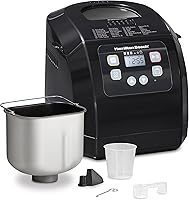
The Cuisinart 12-Program 2 lb Bread Maker mixes, kneads, and bakes automatically. Its 12 programs include options beyond standard bread, and its LCD shows the current cycle, selected options, and countdown.
You can select 1 lb, 1.5 lb, or 2 lb loaves and light, medium, or dark crust. Those choices help match the amount to your household, but each size still needs suitable ingredient quantities.
Its vertical pan determines the loaf's form. Think about the slices you want for sandwiches and whether that shape fits your storage container.
Choose it if you expect to make bread often enough to keep it accessible. Skip a dedicated machine if you bake only occasionally, already enjoy the manual process, or mainly want several shaped loaves at once.
Who should buy the Breville oven, and who should skip it?
Choose the Breville for small loaves and daily oven cooking if you already want to prepare dough yourself. Skip it for tall bread, large batches, or a process that runs from ingredients to loaf automatically.
The Breville Compact Smart Oven offers 8 functions: toast, bagel, bake, broil, pizza, roast, cookies, and reheat. Its adjustable temperature range is 120 to 450°F.
That mix suits a kitchen where the appliance will also handle breakfast, reheating, and small meals. Bread alone is a weaker reason to add it if your existing oven already handles your preferred pans.
The interior measures 12 x 10 x 4.25 inches, making height a key buying check. A pan fitting through the door doesn't mean the fully risen loaf has enough room.
Measure the pan's outer rim and handles, then allow space for the loaf and the clearances in the instructions. For large rounds, baguettes, or several loaves, a full-size oven is the more suitable route.
Which method fits your schedule?
A bread maker suits a routine with few available check-in points; oven bread suits a routine with time for shaping and judging the rise. Plan around when you can handle the dough, not just when you want to eat.
The Cuisinart has a 13-hour delay-start timer and a 60-minute keep-warm cycle. Use delayed starts only with recipes and ingredients approved for that use in its instructions.
Don't leave milk, eggs, or other perishable ingredients unrefrigerated during a long delay. Follow the machine's loading directions so ingredients stay arranged as intended before mixing starts.
With oven bread, a recipe designed for cold fermentation can spread the work across 2 days. The dough still needs the recipe's temperature and timing guidance, plus attention before baking.
Allow cooling time with either method. Cutting a hot loaf too soon can compress the crumb and make the center seem gummy.
Our guide to bread machine order of ingredients explains machine loading. For another way to reduce kneading work, compare bread machine vs stand mixer.
How should you set up either appliance?
Set up either appliance on a stable, heat-safe surface with the required clearance. Measure the working space, including room to open the lid or door and remove hot pans.
The Cuisinart measures 10.25 inches deep, 13.25 inches wide, and 11.25 inches high. Check overhead access because filling and removing its pan require more space than the closed machine occupies.
The Breville measures 15.5 inches deep, 17 inches wide, and 10.25 inches high. Allow space in front for its dropdown door and a safe place to set a hot pan.
Follow the manual for electrical connections and placement. Don't assume an appliance can run inside a cabinet or beneath a low shelf simply because its body fits.
Before the first loaf, read the setup and cleaning instructions. Keep oven mitts and a cooling rack nearby so removing bread doesn't become a rushed search for equipment.
What should you check during your first few loaves?
Start with a basic recipe written for your chosen method and change one thing at a time. That makes a heavy loaf or pale crust easier to trace to a cause.
For machine bread, choose the recipe's loaf size and program. A larger batch can overflow the pan, while a smaller batch may not behave well on settings meant for more dough.
Use a kitchen scale when the recipe gives weights. Scooping flour tightly into a cup can add more than intended, making dough dry and the finished loaf dense.
Check dough during early kneading if the instructions allow it. Make small corrections only when needed, since dough that looks rough at first may come together as mixing continues.
For oven bread, follow dough cues as well as the clock. Room temperature changes rise speed, so a fixed waiting time doesn't always mean the loaf is ready to bake.
Preheat as directed, leave room for expansion, and use the recipe's doneness checks. Crust color alone won't tell you whether the center has finished baking.
Our guide to flour for bread machines explains how flour choice affects dough. Keep the flour consistent while you learn a recipe.
Can you use a bread maker for dough and finish in the oven?
Yes, machine-made dough can be shaped and baked separately when you use a suitable dough-only program and recipe. This splits the job between automatic kneading and your choice of final shape.
The Cuisinart can mix and knead pizza dough. That gives it a role beyond bread baked in its own pan, especially if kneading is the step you want to avoid.
After dough preparation, shape it and follow the recipe's final rise and baking instructions. Dough removed from a machine isn't automatically ready to bake without those steps.
The oven still needs room for the finished shape. Our bread machine pizza dough recipe explains this approach for a practical next project.
What care and cleanup does each method need?
Clean bread dough and crumbs after the appliance has cooled and been unplugged. Gentle cleaning protects coated surfaces and keeps old food from carrying into the next bake.
The Cuisinart's removable nonstick pan requires hand washing. Use utensils and cleaning tools permitted by its instructions, and loosen stuck dough rather than scraping it with metal.
Check the paddle area for dough after removing the loaf. Don't immerse the machine body, and let removable parts dry before reassembly.
The Breville has nonstick interior walls and includes a 10 x 10 inch enamel baking pan and broiling rack. Follow its care directions for each part rather than assuming all coated pieces can go in the dishwasher.
Keep food residue away from heating elements and clean accessible crumbs as directed. Avoid improvised steam methods in a countertop oven unless its manual specifically permits them.
What mistakes lead to the wrong purchase?
The biggest buying mistake is choosing for an imagined baking habit rather than your usual meals. A machine won't help much if you dislike its loaf shape, and an oven won't remove dough preparation.
Don't buy the Breville expecting it to mix ingredients. Its cooking modes begin after you've prepared the food.
Don't choose the Cuisinart solely for the number of programs. Your usual loaf size, preferred bread, and willingness to clean the pan matter more than modes you rarely use.
Avoid judging running costs from wattage alone. Actual electricity use depends on how long the appliance runs and how it cycles, so the available figures don't establish a winner.
Finally, consider what you already own. If your oven works well, trying a simple bread recipe in it can reveal whether you enjoy the process before you add another appliance.
Which should you choose for your bread?
Choose the Cuisinart for bread automation, the Breville for compact cooking versatility, or your existing oven if it already fits your bread. Each choice solves a different daily need.
- Choose the Cuisinart if regular sandwich bread is the goal and managing dough stages would stop you from making it.
- Choose the Breville if you want a small oven for several foods, enjoy preparing dough, and can work within its height limit.
- Keep using a full-size oven if you prefer tall loaves, long shapes, or larger batches.
- Combine machine dough preparation with oven baking if you want less kneading work while keeping control over shape.
If you're unsure how often you'd use a dedicated appliance, read whether a bread maker is worth it. Once automation is the clear choice, our bread machine buying guide helps narrow the features.
How do you make the final bread maker vs oven decision?
Make your bread maker vs oven choice around your next ordinary week: how much bread you'll eat, which shape you'll use, and when you can handle dough. Those answers matter more than a long menu of functions.
Pick the machine when it turns bread making into a routine you can keep. Pick the oven when shaping, adjusting, and making different forms are part of the appeal.
Before ordering, choose a first recipe from our bread machine recipes and check its method and yield. You'll have a clearer idea of the appliance, space, and time that loaf requires.
Frequently asked questions
Does a bread maker or oven make better bread?
A bread maker suits regular pan loaves with less active work; an oven suits varied shapes and more crust control. Neither guarantees better flavor.
Ingredients, fermentation, shaping, and doneness all matter, so choose the method that matches your preferred bread and the attention you can give it.
Can you bake bread in a countertop oven?
Yes, provided the pan and fully risen loaf fit with the required clearances. Check height as well as width and depth, since dough expands during baking.
A countertop oven with a bake function can bake prepared dough, but you still need to mix, develop, ferment, and shape it separately.
Is bread from a bread maker shaped differently?
Yes, the loaf takes the shape of the machine's pan, and a kneading paddle can leave a hole underneath. The Cuisinart uses a vertical pan, which affects slice shape.
Oven baking gives you more choice over pans and freeform shapes, within the oven's usable space.
Can a bread maker save effort compared with an oven?
Yes, a bread maker reduces active work by combining mixing, kneading, rising, and baking in one cycle. It does not remove the need for accurate measuring or cleanup.
An oven requires separate dough preparation, though a no-knead recipe can reduce the effort if you can allow longer fermentation.
Which should a beginner choose, a bread maker or oven?
Choose a bread maker if your main goal is regular homemade bread with fewer steps to manage. Choose an oven if learning dough handling and shaping is part of the appeal.
Our beginner bread machine guide explains which features matter when choosing a first machine for everyday use.