5 Best Bread Machines for Sourdough (October 2026)
The best bread machines for sourdough include the KBS Pro 2.2 lb Bread Maker for everyday sourdough baking, the KBS Premium Convection 2.2 lb for preset recipe followers, and the Zojirushi Home Bakery Supreme for oven bread bakers.
On this page (10 sections)
- How we chose bread machines for sourdough
- Compare bread machines with sourdough settings
- The best bread machines for sourdough by use
- Which sourdough bread machine settings matter most?
- Should you bake the loaf in the machine or use a dough cycle?
- How do you choose loaf size, pan material and counter space?
- How should you set up your first sourdough loaf?
- Which mistakes cause dense, flat or gummy sourdough?
- How do you clean and care for a sourdough bread machine?
- How do you choose the best bread machine for sourdough?
The KBS Pro 2.2 lb Bread Maker is the best bread machine for sourdough here for bakers who want a named sourdough program and adjustable baking time and temperature. Choose the Zojirushi Virtuoso Plus PFAS-Free when control over kneading and rising matters more than starting with a preset.
Sourdough needs a different buying approach from bread made with commercial yeast. Your starter's activity and the dough's temperature affect when it is ready to bake, so useful controls matter more than a long menu.
If you're still deciding how much work to give the machine, read our guide to making sourdough in a bread machine. For other bread styles and machine features, see our guide to bread machines.
Our picks at a glance
-
1

-
2

-
3

- 4
 Check it
Zojirushi Virtuoso Plus PFAS-Free
Best for recipe experimenters - 5
 Best for larger household batchesCheck it
How we chose bread machines for sourdough
We favored relevant programs and useful controls over program counts. We compared sourdough loaf settings, starter preparation, adjustable stages, batch sizes and pan care.
A named sourdough program gives you a starting method, while saved custom stages suit bakers who already understand their dough. Those are different strengths, which is why the first pick isn't the best choice for every baking routine.
We also separated adjustable baking from adjustable fermentation. Changing the finish can help with crust color, but it cannot give an under-risen dough the fermentation it needed earlier.
For a first machine, our guide to bread machines for beginners explains which controls simplify daily use. If your recipe isn't settled yet, read what flour works best in a bread machine before choosing a machine around it.
Compare bread machines with sourdough settings
The main difference is which part of the process each machine handles. Compare a loaf program, starter setting and custom cycle as separate tools.
| Product | Best for | Sourdough options | Loaf sizes | Pan | Our score |
|---|---|---|---|---|---|
| KBS Pro 2.2 lb Bread Maker | everyday sourdough baking | Dedicated program and custom baking setting | 1, 1.5 and 2.2 lb | Ceramic | 8.8 |
| KBS Premium Convection 2.2 lb | preset recipe followers | Dedicated program | 1, 1.5 and 2.2 lb | Ceramic | 8.2 |
| Zojirushi Home Bakery Supreme | oven bread bakers | Starter and dough settings | 7.9 | ||
| Zojirushi Virtuoso Plus PFAS-Free | recipe experimenters | Starter and Homemade settings | 7.1 | ||
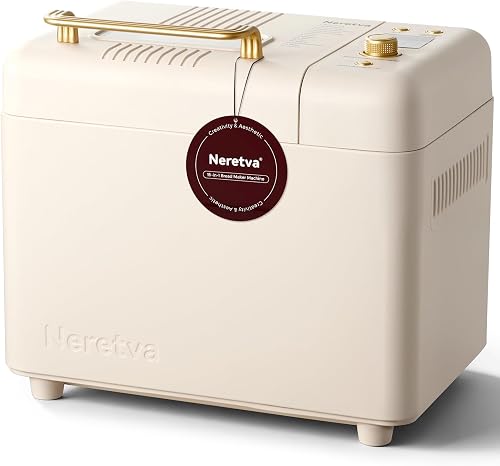
| Neretva 2.2 lb 15-in-1 | larger household batches | 1.56 and 2.2 lb | 6.9 |
Don't choose by the longest timer. A delay timer postpones a cycle; it doesn't establish how long the dough can rise within that cycle.
Also check whether the bread you want is mostly sandwich slices or shaped oven loaves. That choice determines how much the machine's baking controls should influence your decision.
The best bread machines for sourdough by use
Choose the KBS Pro for preset-led baking, the Supreme for preparation, or the Virtuoso Plus for custom stages. The Premium and Neretva suit more specific routines described below.
KBS Pro 2.2 lb Bread Maker for everyday sourdough
KBS Pro 2.2 lb Bread Maker: Best for everyday sourdough baking
- Sourdough program
- Adjustable baking time and temperature
- 3 loaf sizes
- Ceramic pan and paddle
A sourdough program provides a starting recipe path, while adjustable baking time and temperature help you refine the finish. Choose it for machine-baked loaves in several sizes.
Pros
- Dedicated sourdough program
- Adjustable baking time and temperature
- Includes a 1 lb loaf option
Cons
- Bake controls do not establish custom rise timing
- Starter strength still affects cycle fit
The KBS Pro suits bakers who want to start with a sourdough recipe designed for the machine, then refine the bake. Its custom setting adjusts baking time and temperature, which is useful when the loaf needs a different finish.
Loaf choices are 1, 1.5 and 2.2 lb, so smaller households aren't limited to the largest batch. These are finished-loaf options, not instructions to load that weight in flour.
The ceramic pan and paddle need gentle handling to protect their surfaces. The included 53-recipe book gives you a place to begin with the machine's own methods before adapting a favorite formula.
Start with the recommended crust setting, then change one baking variable at a time. If the loaf is dense throughout, check fermentation and ingredient balance before adding more bake time.
Skip it if custom rise timing is your main requirement. Adjustable baking doesn't establish independent control over every knead or rise stage, so the Virtuoso Plus is the clearer match for that need.
KBS Premium Convection 2.2 lb for preset sourdough recipes
KBS Premium Convection 2.2 lb: Best for preset recipe followers
- Sourdough program
- Dual heaters with convection
- Automatic nut dispenser
- Ceramic pan
A named sourdough program suits bakers who prefer to begin with the supplied recipe. Dual heaters, convection and an automatic nut dispenser support broader everyday bread making.
Pros
- Dedicated sourdough program
- Dual heaters and convection
- Automatic nut dispenser
Cons
- Preset rise timing must suit the recipe
- Custom fermentation controls need confirmation
The KBS Premium fits bakers who prefer to follow a preset recipe and also make other breads during the week. It combines a sourdough program with dual heaters and convection heating.
Those heating features concern the baking stage. They don't remove the need for your starter to raise the dough before baking begins.
Its horizontal ceramic pan is useful if you prefer a rectangular loaf, and the automatic nut dispenser supports recipes with dry additions. Follow the recipe's amount and preparation guidance so mix-ins don't overwhelm the dough.
The Premium offers the same loaf-size choices as the Pro. Choose between them based on the controls you expect to use: the Pro's stated adjustable bake setting or the Premium's heating setup.
Skip it if you regularly change fermentation schedules. For a recipe that rises slowly or changes with the seasons, independent stage control is more useful than relying on a preset to match every batch.
Zojirushi Home Bakery Supreme for starter and dough
Zojirushi Home Bakery Supreme: Best for oven bread bakers
- Sourdough starter setting
- Separate dough setting
- Rectangular 2 lb loaf
- Adjustable crust shade
Starter and dough settings suit bakers who want machine help with preparation before shaping and baking separately. It also bakes rectangular loaves for everyday sandwich bread.
Pros
- Sourdough starter setting
- Separate dough setting
- Adjustable crust shade
Cons
- Starter preparation is separate from loaf baking
- Pan requires hand washing
The Home Bakery Supreme suits bakers who want help preparing starter or dough before finishing bread on their own schedule. Its starter and dough settings serve different jobs, so use the directions for the step you intend to complete.
A starter setting doesn't turn every batch of flour and water into mature, ready-to-use starter within one cycle. Follow the supplied method and assess starter activity before using it as the loaf's main leaven.
For machine-baked bread, the Supreme makes a rectangular 2 lb loaf with adjustable crust shade. Its easy-to-read LCD panel and 13-hour timer also support regular bread making outside your sourdough routine.
Allow for its 16.87 in width when planning a permanent counter spot. The nonstick pan requires hand washing, which matters if dishwasher cleanup is part of your buying decision.
Skip it if you want a named sourdough loaf program as your starting point. Buy it for starter and dough preparation, with the option to shape and bake separately.
Zojirushi Virtuoso Plus PFAS-Free for custom sourdough cycles
Zojirushi Virtuoso Plus PFAS-Free: Best for recipe experimenters
- 3 Homemade memory settings
- Custom knead, rise and bake times
- Sourdough starter setting
- PFAS-free food-contact areas
Saved custom stages make this the clearest fit for bakers refining their own fermentation schedule. Zojirushi states that its food-contact areas are free of PFAS, including PTFE and PFOA, and BPA.
Pros
- Saves 3 custom cycles
- Adjustable knead, rise and bake times
- Sourdough starter setting
Cons
- Custom recipes require initial setup
- 18 in width needs counter space
The Virtuoso Plus is the strongest fit here for bakers who want to build and save their own schedule. Its 3 Homemade memory settings allow changes to knead, rise and bake times.
That control helps when you already have a reliable starter and want the machine to follow your recipe more closely. You can save a working cycle instead of entering all the stage times again.
Check the permitted range for each stage before committing to a recipe that needs a long fermentation. Custom controls still have limits, and a saved schedule may need seasonal changes as your kitchen temperature shifts.
This model has a 2 lb capacity and an 18 in wide body. Zojirushi states that all food-contact areas are free of PFAS, including PTFE and PFOA, and BPA.
Skip it if you want to avoid programming and recipe adjustments. Its main advantage is control, so it makes the most sense when you'll use that control rather than rely only on automatic menus.
Neretva 2.2 lb 15-in-1 for larger dough batches
Neretva 2.2 lb 15-in-1: Best for larger household batches
- Dough, knead and Homemade programs
- 2.2 lb maximum loaf
- Dual heaters
- Ceramic pan
Dough and knead programs suit larger batches that you can finish according to your recipe. Choose it when dough preparation matters more than a clearly defined sourdough loaf cycle.
Pros
- Separate dough and knead programs
- 2.2 lb maximum loaf size
- Automatic fruit and nut dispenser
Cons
- Homemade stage controls need confirmation
- Smallest loaf option is 1.56 lb
The Neretva suits a household that wants machine help with dough preparation and uses larger loaves. It offers knead, dough and Homemade programs, with 1.56 and 2.2 lb loaf options.
A separate knead program can be useful when your recipe calls for mixing followed by fermentation outside an automatic bread cycle. Keep the batch within the manual's limits, especially with stiff dough.
The machine also includes dual heaters, a ceramic pan and an automatic fruit and nut dispenser. These features support general bread making, but the Homemade name alone doesn't establish which sourdough stages you can alter.
Before planning a full machine-baked sourdough routine, check the manual for adjustable stages and their time ranges. Its 15-hour delay timer schedules the start rather than extending a rise stage.
Skip it if you mainly want small loaves or a clearly defined sourdough preset. It makes more sense for larger dough batches that you'll monitor and finish according to your recipe.
Which sourdough bread machine settings matter most?
Rise control matters most for naturally leavened bread, followed by suitable kneading and baking options. Starter preparation, fermentation and baking are separate steps, even when one appliance helps with all three.
Sourdough loaf programs
A loaf program is the simplest starting point when you follow the matching recipe. Read that recipe closely, since bread called sourdough may use active starter alone or combine starter with commercial yeast.
If a recipe includes both, don't remove the yeast and expect the same schedule to work. The dough may need much longer to rise.
Starter preparation settings
A starter setting supports the preparation method described in the manual. It doesn't replace regular starter care or tell you whether your culture has enough strength to raise bread.
Keep track of feeding amounts and activity outside the machine too. Starter that performs predictably makes it easier to judge whether a bread cycle fits.
Custom stages and separate dough programs
Custom stages help you match the machine to a recipe, while a dough program can hand control back to you before baking. Check for extra kneading later in the cycle, since that can deflate dough you intended to leave undisturbed.
If a recipe calls for commercial yeast alongside starter, our guide to bread machine yeast vs active dry yeast explains the yeast choices. Use the amount and method specified by the recipe.
Should you bake the loaf in the machine or use a dough cycle?
Bake in the machine for everyday pan loaves; use dough preparation for more shaping freedom. Oven finishing lets you choose a separate pan, score the surface or add a refrigerated proof.
A machine-baked loaf suits sandwiches and toast, and it reduces transfers between bowls and pans. Expect the shape of the bread pan and a paddle hole in the base.
A dough cycle suits bakers who care about shaping, a free-standing loaf or more control over crust. The cycle may finish before natural fermentation is complete, so continue according to the dough's progress.
Check whether the cycle includes a rise or another knead before it ends. Removing dough at the right stage is easier when you know the program's sequence.
Read more about the steps in our sourdough bread machine guide. For a closer comparison of loaf shape and baking methods, see bread maker vs oven.
How do you choose loaf size, pan material and counter space?
Choose a batch you'll finish and a machine you can use comfortably. A large capacity offers little benefit if you prefer fresh, smaller loaves or must move the appliance for every bake.
Match the batch to your household
Start with the smallest supported recipe that meets your needs. Don't halve a large recipe unless the manual supports that batch size, since a very small dough may not mix as intended.
Check loaf capacity separately from maximum flour quantity. Whole-grain flour, seeds and other additions can change dough behavior, so use a compatible formula rather than filling the pan by eye.
Check access above the machine
Measure the counter footprint, then allow room to open the lid and lift out the pan. Follow the manual's ventilation clearances rather than placing the appliance tightly beneath a cabinet.
Think about lifting as well as storage. A machine that's awkward to retrieve is less useful for a weekly routine than one with an accessible working spot.
Read coating claims precisely
A ceramic pan and a specific PFAS-free statement aren't interchangeable descriptions. If avoiding a certain material is a firm requirement, check exactly which food-contact parts the brand's statement covers.
Our guide to bread machine pan coatings explains what to check. Regardless of coating type, gentle tools and cleaning help protect the surface.
How should you set up your first sourdough loaf?
Begin with the manual's recipe and an active starter, then record what happens. A familiar starting formula makes problems easier to trace than changing flour, hydration and cycle settings together.
- Read the full cycle sequence. Note the knead, rest, rise and bake stages before adding ingredients.
- Check starter readiness. Use the stage of activity your recipe requests, rather than starter taken straight from storage without preparation.
- Weigh ingredients. Include the flour and water carried by the starter when adapting a formula.
- Fit the pan and paddle correctly. Make sure everything is seated before starting the machine.
- Use the prescribed ingredient order. Different machines and recipes may call for different loading methods.
- Watch the early mix. Check that flour is being incorporated before leaving the dough to ferment.
- Record the result. Note starter condition, room temperature, cycle settings and how the dough rose.
For loading guidance, see bread machine order of ingredients. The manual's instructions should guide your first batch.
A soft, tacky sourdough can be normal, so don't keep adding flour until it feels dry. Give the ingredients time to combine before deciding whether a small correction is needed.
For early bakes, choose a time when you can observe the dough. Save delayed starts for a recipe and ingredient combination you've already made successfully.
Which mistakes cause dense, flat or gummy sourdough?
Most problems come from starter activity, fermentation timing or ingredient balance. Fix the likely cause before changing machines or adding more bake time.
Using weak starter in a fixed cycle
Starter that rises slowly may not raise the loaf before an automatic bake begins. Feed and prepare it according to the recipe, then use a schedule that allows the dough enough time.
Changing the crust setting won't solve poor fermentation. If the dough hasn't risen as expected, address starter strength or rise timing first.
Confusing delay time with fermentation time
A delay timer leaves ingredients waiting before the program starts. It doesn't provide a controlled extra rise after kneading.
Starter can also begin acting during that wait, making the result harder to predict. Follow the manual's delayed-start guidance, including restrictions on perishable ingredients.
Treating discard as ready leaven
Discard recipes and naturally leavened recipes serve different needs. A loaf made with discard may rely on added yeast for its rise.
Use a discard-specific recipe if that's what you have available. Swapping it into a formula that expects vigorous starter can leave the dough short of lifting power.
Changing several variables at once
New flour, more starter and a longer rise can each affect the loaf. Change one at a time so you can identify which adjustment helped.
Keep a short bake log rather than relying on memory. A few notes about dough rise are more useful than recording crust color alone.
Slicing before the crumb cools
Hot bread can feel gummy when cut before the interior has set. Remove the loaf as directed and cool it on a rack before judging the crumb.
If a fully cooled loaf remains wet inside, review baking and fermentation together. More baking may help an underbaked loaf, but it won't correct every dense interior.
How do you clean and care for a sourdough bread machine?
Clean the pan and paddle after each bake without soaking the appliance. Let parts cool first, and follow the model's instructions for removable components.
Remove crumbs and dough from around the paddle hub with gentle tools. If dough has dried onto a removable part, soften it only as the manual allows rather than scraping with metal.
Wash the Supreme's pan by hand. For other models, don't assume that permission to machine-wash a paddle or measuring tool also applies to the bread pan.
Wipe the unplugged machine's exterior and keep liquid away from the controls and heating area. Let removable parts dry before storage or reassembly.
For seeded or fruit loaves, clean the dispenser as directed so residue doesn't obstruct it. Regularly inspect the paddle, pan surface and drive connection for damage that could affect use.
How do you choose the best bread machine for sourdough?
Pick the machine that fits the work you want it to do. The best bread machine for sourdough should match your fermentation routine, batch size and preferred baking method.
- Choose the KBS Pro for a named sourdough program with room to adjust the bake.
- Choose the KBS Premium if you prefer preset recipes and want its dual-heater convection setup.
- Choose the Home Bakery Supreme for starter and dough preparation before shaping or oven baking.
- Choose the Virtuoso Plus PFAS-Free if saved custom knead, rise and bake stages are your priority.
- Choose the Neretva for larger dough batches when you'll manage the remaining fermentation yourself.
Before ordering, decide whether your recipe needs commercial yeast, active starter alone or discard plus yeast. Then check that the machine's cycle supports that method.
For the next step, read how to make sourdough in a bread machine and map your recipe's stages to the controls you'll use.
Our top 3 picks at a glance
-
1
-
2
-
3
Frequently asked questions
Can a bread machine bake sourdough bread?
Yes, a bread machine can bake sourdough when its rise and bake schedule fits the recipe. Begin with the manual's sourdough method, then adapt gradually.
A naturally leavened loaf depends on active starter and enough fermentation time, so a program name alone cannot ensure that every recipe will work.
Is a sourdough setting the same as a sourdough starter setting?
No, a starter setting handles a preparation step, while a sourdough loaf program is intended for a bread recipe. Both Zojirushi models here offer starter settings.
Read the recipe directions to see what you must add, how long preparation takes and which steps remain before baking a loaf.
Can you bake sourdough in a bread machine using a custom cycle?
Yes, if the available stage lengths fit your dough. The Virtuoso Plus lets you customize knead, rise and bake times, while the KBS Pro provides adjustable baking time and temperature.
Check the allowed timing ranges before buying, especially if your recipe needs a long rise without further kneading.
Should you bake sourdough in the machine or use its dough cycle?
Bake in the machine for a pan-shaped loaf with fewer transfers. Choose dough preparation followed by oven baking if you want to shape, score or refrigerate the loaf separately.
Our guide to making sourdough in a bread machine explains how to fit the machine into either method.
Can you use sourdough discard instead of active starter?
Use discard only in a recipe designed for it. Discard can add flavor, but it may not have enough strength to raise bread on its own.
Some machine recipes combine discard with commercial yeast, so follow the full formula rather than replacing yeast with an equal amount of discard.


