5 Best Bread Machines With a Fruit and Nut Dispenser (October 2026)
The best bread machines with fruit and nut dispensers include the KBS Pro 2.2 lb Bread Maker for everyday mix-in loaves, the KBS Premium Convection 2.2 lb for rectangular sandwich loaves, and the Breville Custom Loaf BBM800XL for custom recipe bakers.
On this page (11 sections)
- Which bread maker with a fruit and nut dispenser is best?
- When is an automatic dispenser worth having?
- What loaf size and counter space do you really need?
- Which dispenser details should you check before buying?
- How should you set up the first mix-in loaf?
- How do you prepare fruit and nuts for the dispenser?
- How should you adjust recipes for fruit and nut bread?
- Can you use the delay timer for fruit and nut bread?
- How do you clean the dispenser, pan and paddle?
- What common mistakes spoil mix-in loaves?
- Which bread maker with a fruit and nut dispenser should you choose?
The KBS Pro 2.2 lb Bread Maker is the best bread maker with a fruit and nut dispenser for most buyers because it handles everyday mix-in loaves while offering smaller batch settings. Choose Breville for stored custom recipes or the larger Neretva for batch baking.
An automatic dispenser is most useful for raisin, cranberry or nut bread you make often. It saves you from waiting for an add-in signal, but the right loaf size and an easy cleanup routine matter just as much.
For a broader look at machine types, see our complete bread machine buying guide. Our guide to choosing a bread maker helps you weigh controls, capacity and counter space.
Our picks at a glance
-
1

-
2

-
3
Which bread maker with a fruit and nut dispenser is best?
The KBS Pro is the best fit for everyday baking, while the other picks serve more specific needs. Compare the amount of bread you use first, then decide whether loaf shape, recipe control or a detachable dispenser changes your choice.
We compared automatic dispensing, useful loaf settings, recipe controls, pan design and care requirements. More programs alone don't make a machine a better match for fruit and nut bread.
KBS Pro: a fruit and nut dispenser bread maker for everyday use
KBS Pro 2.2 lb Bread Maker: Best for everyday mix-in loaves
- Automatic nut dispenser
- 1, 1.5 and 2.2 lb loaf sizes
- 17 programs
- Ceramic pan and paddle
A useful choice for regular fruit and nut bread, with smaller loaf settings for days when you need less. Its custom baking setting allows time and temperature adjustments.
Pros
- Smaller loaf options
- Ceramic pan and paddle
- Adjustable baking time and temperature
Cons
- Not suited to batches above 2.2 lb
- Needs room above the lid for loading
The KBS Pro suits a household that alternates between plain sandwich bread and loaves with dried fruit or nuts. Its 1, 1.5 and 2.2 lb settings make it easier to bake for a quiet week or prepare extra slices.
The 17 programs include basic, whole wheat, multigrain, gluten-free and dough. A custom baking setting also lets you adjust baking time and temperature, which is useful once you have a recipe worth refining.
Its ceramic pan and paddle suit buyers who prefer that coating material. Care still matters: use tools that won't scratch the surface, and follow the pan's instructions rather than assuming every included part can go in a dishwasher.
Choose this model if you want a practical starting point for regular mix-in bread. Skip it if you need oversized batches or want to store several personal recipes, since those needs point toward Neretva or Breville.
KBS Premium: for rectangular loaves and a different heating setup
KBS Premium Convection 2.2 lb: Best for rectangular sandwich loaves
- Automatic nut dispenser
- Dual heaters and 360-degree convection
- Horizontal ceramic pan
- 17 programs
The horizontal pan suits buyers who want rectangular loaves for slicing. Dual heaters and convection give it a distinct heating setup within the KBS pair.
Pros
- Horizontal loaf pan
- Dual heaters and convection
- Small and larger batch settings
Cons
- Does not increase capacity over the Pro
- No Breville-style bank of custom recipe settings
The KBS Premium suits buyers who want a horizontal ceramic pan for rectangular loaves. That shape is useful when you plan to slice fruit or nut bread for sandwiches, toast or freezer portions.
It combines dual heaters with 360-degree convection. KBS designs that system to promote even baking, but choose it for the heating arrangement and loaf shape rather than expecting it to correct an unbalanced recipe.
The Premium keeps the Pro's loaf range and includes 17 programs. It also has a 15-hour delay timer, which is useful for recipes whose ingredients can safely wait before mixing.
Pick it when the pan shape is a clear preference. Skip it if you mainly want automatic add-ins and flexible batch sizes, because the Pro already covers those needs without making the heating system your deciding factor.
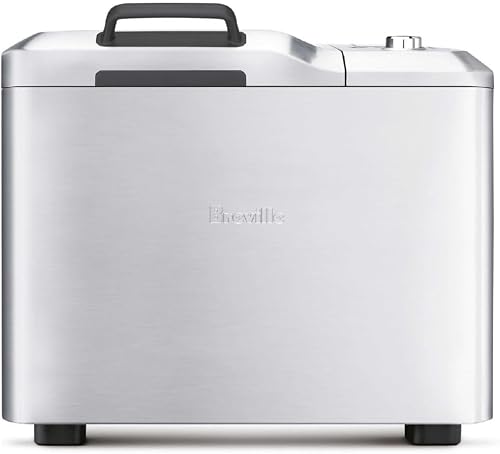
Breville Custom Loaf: for bakers who refine their own recipes
Breville Custom Loaf BBM800XL: Best for custom recipe bakers
- Automatic fruit and nut dispenser
- 13 automatic programs
- Nine custom settings
- Collapsible kneading paddle
Choose it to create and store personal recipes while keeping automatic mix-in release. The bread paddle folds before baking, and a separate fixed paddle handles jam.
Pros
- Stores personal recipes
- Collapsible bread paddle
- 60-minute power interruption protection
Cons
- Widest machine in this group
- Hand-wash care
The Breville is the strongest choice here for bakers who want to create and store personal recipes. Its 9 custom settings sit alongside 13 automatic programs, so repeated adjustments don't have to remain notes you enter again each bake.
The collapsible bread paddle folds before baking. That feature changes the paddle's position inside the loaf, but you should still expect a shaft mark rather than a completely untouched base.
Its loaf range runs from 1 to 2.5 lb, and it includes a separate fixed paddle for jam. The 60-minute power interruption protection is another useful distinction if brief outages are a concern.
Choose it if you enjoy refining recipes and will use those saved settings. Skip it if you want only preset loaves or have limited counter width: at 16.4 in wide, it is the widest machine here, and its care instructions require hand washing.
Neretva 3.3 lb: for households that bake ahead
Neretva 3.3 lb 15-in-1: Best for batch-baking households

- Detachable automatic dispenser
- 2.2, 2.76 and 3.3 lb loaf sizes
- 15 programs
- Dual kneading paddles
The largest loaf option here suits households that serve plenty of bread or freeze slices in batches. Its smallest setting still makes a substantial loaf.
Pros
- Largest capacity in this group
- Detachable dispenser
- Dual kneading paddles
Cons
- No small loaf setting
- Deepest machine in this group
The larger Neretva suits households that regularly serve plenty of bread or freeze slices in batches. Its 2.2, 2.76 and 3.3 lb settings give it the largest capacity in this group.
It includes dual kneading paddles, a ceramic pan and heaters above and below the pan. The detachable fruit and nut dispenser gives you a removable part to access during loading and care.
Its 15 programs cover bread styles as well as dough, jam and yogurt. Choose programs for recipes you actually make, since a large menu adds little value if you only use basic and sweet bread cycles.
Buy it when a large loaf solves a regular need. Skip it for occasional small bakes: the minimum batch is substantial, and its 15.4 in depth needs room on the counter as well as space for handling the hot pan.
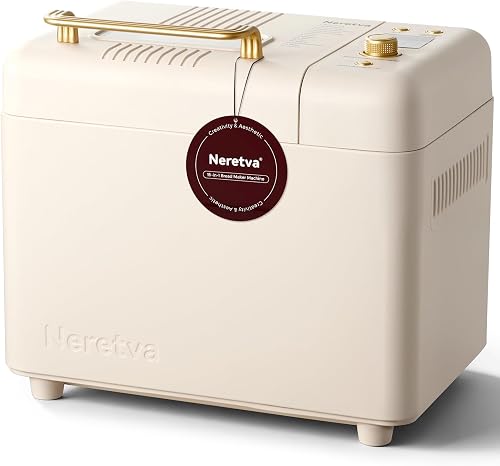
Neretva 2.2 lb: for a steady medium-loaf routine
Neretva 2.2 lb 15-in-1: Best for medium-loaf households
- Detachable automatic dispenser
- 1.56 and 2.2 lb loaf sizes
- 15 programs
- Ceramic pan
This is the Neretva to choose when medium loaves cover your needs. It pairs a detachable dispenser with a viewing window and a white finish.
Pros
- Detachable dispenser
- Viewing window
- Dual heaters
Cons
- No 1 lb setting
- No stored custom recipe bank like Breville
The smaller Neretva suits households that consistently want a medium loaf and prefer a detachable dispenser. Its 1.56 and 2.2 lb settings cover that routine without moving into the larger Neretva's batch sizes.
It has a ceramic pan, dual heaters and 15 programs. A viewing window lets you check progress without repeatedly opening the lid, which is useful once rising and baking are underway.
The white finish gives it a different look from the stainless steel choices. At 9.9 in wide, it also takes less side-to-side space than either KBS, although depth and lid clearance still need checking.
Choose it if its loaf range matches what you normally eat. Skip it if you often bake for one or want a small experimental batch, because the KBS models and Breville offer a smaller starting size.
When is an automatic dispenser worth having?
An automatic dispenser is worth having when mix-in bread is a regular habit and you don't want to wait beside the machine. For mostly plain loaves, it should rank below capacity, controls and ease of care.
Fruit and nuts often go in after the dough has already mixed for a while. Adding them later limits their exposure to kneading, which can help larger pieces keep more of their shape.
The dispenser handles that timing step for you. It doesn't measure ingredients, separate sticky clumps or ensure that every recipe works on every cycle.
Manual addition remains practical if you are usually in the kitchen during kneading. The automatic feature earns its place when missing the add-in signal would otherwise change what you bake.
Think about your next several loaves rather than an occasional holiday recipe. If most will contain raisins, cranberries or chopped nuts, the dispenser serves a clear purpose.
What loaf size and counter space do you really need?
Choose the smallest batch you will bake regularly, then check that the machine also covers your larger needs. A big maximum capacity is less useful if the minimum loaf leaves you with bread you won't eat.
Smaller loaves also make recipe changes easier to manage. If you are trying a different flour or mix-in amount, you commit fewer ingredients while learning how the dough behaves.
For batch baking, cool the loaf fully before slicing and freezing portions. Let your normal sandwich or toast use guide the size rather than relying on a claimed number of servings.
Our guide to bread machines for small loaves is useful if minimum capacity is your main concern. If you want options beyond dispenser models, compare our best bread makers.
Measure the working space, not just the footprint
Leave enough room to open the lid, load the dispenser and lift out a hot pan. A machine that fits beneath a cabinet when closed may still be awkward to use there.
Check the manual's ventilation clearances and place the machine on a stable, level surface. Allow space beside it for a heat-safe landing spot so you aren't carrying a hot pan across the kitchen.
Storage matters too. If the machine must move out of a cupboard for every bake, consider whether you have a clear route and a convenient place to keep its loose tools.
Which dispenser details should you check before buying?
Check allowed ingredients, loading limits and supported cycles before buying. An automatic dispenser is useful only when it works with the breads and mix-ins you plan to use.
Dispenser capacity is separate from loaf capacity. A large bread pan doesn't mean you can fill the compartment with an unlimited amount of fruit or nuts.
Check the manual for the maximum amount and whether that limit changes by ingredient. Volume, weight and how freely pieces move can all affect loading.
The 2 Neretva models have detachable dispensers. That is useful if you prefer a removable compartment, but follow its care instructions rather than assuming detachment means dishwasher-safe cleaning.
For controls, decide whether you want preset recipes or room to refine your own. Breville's stored custom settings matter most to repeat recipe adjustments; occasional bakers may have little reason to make that feature a priority.
Our bread machine brands guide adds context if you're weighing these companies alongside other bread maker choices.
How should you set up the first mix-in loaf?
Start with a plain loaf from the machine's own recipe book, then make a mix-in recipe after you understand the basic process. This gives you a useful reference before changing several things at once.
Read the first-use cleaning instructions, fit the correct paddle and seat the pan securely. Confirm the chosen program and loaf size before starting the cycle.
Measure ingredients with care, especially flour and water. A kitchen scale helps you repeat a recipe without differences caused by packed cups of flour.
Load the pan in the order required by your machine and recipe. Our guide to bread machine order of ingredients explains why yeast placement matters, especially with delayed starts.
For the first fruit or nut loaf, use a recipe written for the machine's capacity. Avoid combining a new flour blend, a new program and extra fruit in the same bake.
Make that first mix-in loaf while you're nearby. You can learn when the dispenser opens and check that the ingredients release before relying on an unattended cycle.
How do you prepare fruit and nuts for the dispenser?
Use measured, separated pieces that can fall freely, and follow the manual's ingredient guidance. The compartment is a timing tool, not a place to pack in as many extras as possible.
Break apart raisin or cranberry clumps before loading. Chop large nuts to the size the recipe calls for, since big pieces can obstruct the opening or remain unevenly spread.
If the recipe calls for soaked fruit, drain and dry it as directed. Don't pour soaking liquid into the dispenser, because that changes the dough's moisture and can make the compartment sticky.
Avoid adding flour or oil to the compartment as a home remedy unless the manual recommends it. Extra coatings can change the recipe and leave residue around the release mechanism.
Fresh fruit, soft chocolate, wet fillings and large cheese pieces need specific instructions. Heat and moisture can change how these ingredients behave before the compartment opens.
Keep sticky swirls and fillings separate from dispenser use unless the recipe explicitly directs otherwise. Cinnamon filling, for example, is a different task from dropping chopped nuts into kneading dough.
How should you adjust recipes for fruit and nut bread?
Use a recipe designed for mix-ins before adapting a plain loaf. Fruit and nuts change the dough's weight, moisture and structure, so adding a large handful is not a neutral change.
Dried fruit can take up moisture, while soaked or fresh fruit brings moisture with it. Nuts add solid pieces that the dough must support as it rises.
Start with the recipe's amount rather than trying to fill the dispenser. Too many additions can make the loaf dense even if every piece drops at the intended time.
When adapting a recipe, change one thing per bake and keep brief notes. Record the program, ingredient weights and what you changed so a useful adjustment is easy to repeat.
Use the recipe's dough cues where provided instead of expecting every dough to form the same ball. Gluten-free mixtures and some enriched doughs behave differently from basic wheat dough.
Our bread machine recipes for beginners can help you build a short rotation before experimenting. A few repeatable recipes are more useful than a long menu you rarely use.
Can you use the delay timer for fruit and nut bread?
Use delayed starts only with suitable ingredients and the manual's timing guidance. A timer doesn't refrigerate milk, eggs, fresh fruit or other perishable ingredients while they wait.
Choose a recipe intended for delayed baking rather than converting one by guesswork. Keep yeast away from liquids until mixing starts when the instructions call for that separation.
For dispenser ingredients, consider how they will behave while sitting in a warm machine. Sticky fruit can clump, and ingredients that soften with heat may need another method of addition.
Confirm that the selected program uses the dispenser. Don't assume a jam, cake or dough cycle follows the same add-in sequence as a bread cycle.
Plan the finish time as well as the start time. Bread needs removal and cooling, so a loaf that finishes when nobody can unload it may not suit your schedule.
How do you clean the dispenser, pan and paddle?
Clean crumbs and sticky residue after the machine cools, following the instructions for each part. Residue around the dispenser opening can interfere with release on the next loaf.
Unplug the machine before care, and remove loose ingredients before they collect around moving parts. Keep water out of the appliance body and electrical areas.
Use a soft cloth or other approved tool on coated pans. Don't scrape out stuck fruit or pry off a paddle with a knife, since sharp tools can damage the surface.
Breville specifies hand washing. KBS permits machine washing for its kneading paddle and measuring tools, which does not mean the whole pan or dispenser should receive the same treatment.
Neretva specifies damp-cloth care for the appliance. Use the manual's separate directions for its removable parts, and dry the dispenser before refitting or loading it.
Keep nut residue separate from plain-bread plans
A plain loaf made after a nut loaf still needs careful cleaning beforehand. Don't assume a quick crumb wipe removes allergen residue from the dispenser, pan or paddle.
For a household managing a nut allergy, choose equipment and cleaning practices that meet its needs. A shared dispenser machine should not be assumed to produce allergen-free bread.
What common mistakes spoil mix-in loaves?
The most common mistakes are overloading the recipe, loading sticky clumps and choosing the wrong cycle. Check those before changing yeast or replacing ingredients.
Putting everything in the pan at the start
Early addition exposes fruit and nuts to more kneading. Unless the recipe calls for that method, use the intended add-in stage so pieces receive less mixing.
Filling the dispenser to the top
A full compartment can exceed the recipe's allowance even when it closes. Measure the amount first, then check it against the dispenser limit.
Using the wrong loaf setting
The selected size affects how the machine handles the recipe. Match the setting to the recipe rather than choosing the largest option because extra fruit makes the dough look fuller.
Opening the lid repeatedly during rising
Use the viewing window where available once the dough is rising or baking. Repeated lid opening lets heat escape and makes the cycle less consistent.
Slicing while the loaf is hot
Cool bread on a rack before slicing. A hot loaf can compress under the knife, making the crumb appear gummy even when the recipe needs no change.
Which bread maker with a fruit and nut dispenser should you choose?
Pick KBS Pro for regular mix-in bread, KBS Premium when a horizontal loaf pan matters, or Breville when saved custom recipes will get regular use. Choose the large Neretva for planned batch baking and the smaller Neretva for a steady medium-loaf routine.
Let the minimum loaf size settle close decisions. Then check the dispenser's ingredient limits and your available lid clearance before ordering.
A bread maker with a fruit and nut dispenser should make your usual recipes easier to fit into the day. Use our complete home buying guide to bread machines if you still need to settle the broader choice of capacity, controls and kitchen space.
Our top 3 picks at a glance
-
1
-
2
-
3
Frequently asked questions
What does a fruit and nut dispenser do in a bread machine?
A fruit and nut dispenser releases measured mix-ins during the bread cycle, so you don't have to wait nearby to add them. Later addition can limit how much kneading those ingredients receive.
Check which programs activate the dispenser and follow the manual's limits for amounts and ingredient types.
Can I use a bread machine dispenser for raisins?
Yes, if your machine's manual allows raisins in the dispenser. Separate clumps and follow any preparation instructions so the fruit can drop freely.
If a recipe calls for soaking, drain and dry the raisins as directed, and account for added moisture rather than pouring soaking liquid into the compartment.
Which bread machine here makes the largest loaf?
The Neretva 3.3 lb 15-in-1 has the largest loaf setting in this group. It suits households that use plenty of bread or freeze extra slices.
Its smallest setting is 2.2 lb, so choose a different model if you often want a small loaf for one or two people.
Do all bread machines have automatic fruit and nut dispensers?
No, some bread machines use an add-in signal and require you to pour ingredients into the pan yourself. All 5 machines here include automatic dispensers.
Automatic release helps most when you regularly bake mix-in bread and want to leave the machine alone during the kneading stage.
Can I put fresh fruit or chocolate in the dispenser?
Only use those ingredients in the dispenser when the manual and recipe allow them. Fresh fruit adds moisture, and chocolate can soften in a warm compartment.
Some recipes need these ingredients added another way, so an automatic dispenser should not be treated as a compartment for every extra ingredient.


