Zojirushi Supreme vs Virtuoso: Which Is Better? (October 2026)
For Zojirushi Supreme vs Virtuoso, choose the Virtuoso Plus for rapid whole wheat and dietary courses. Choose the Home Bakery Supreme for cake, jam, dough and sourdough starter settings in a smaller machine.
On this page (11 sections)
- Zojirushi Supreme vs Virtuoso
- Zojirushi Supreme vs Virtuoso: which fits your weekly baking?
- Which machine should you choose for whole wheat or dietary recipes?
- When is the Supreme the more useful choice?
- How much should kneading blades and heaters influence your choice?
- Which machine fits your counter and storage space?
- How should you set up the machine for your first loaf?
- Can the timer and rapid courses fit a busy day?
- How do you care for the pan and avoid common mistakes?
- Should you choose the Breville Custom Loaf instead?
- Zojirushi Supreme vs Virtuoso: which should you buy?
Zojirushi Supreme vs Virtuoso
For Zojirushi Supreme vs Virtuoso, choose the Virtuoso Plus if you want rapid whole wheat and dietary courses; choose the Home Bakery Supreme if you want cake, jam, dough and sourdough starter settings.
Both make rectangular 2-pound loaves, so start with what you'll bake each week. The Supreme also takes less counter space, while the Virtuoso Plus gives you double kneading blades and heaters in the base and lid.
This comparison covers the BB-PDC20BA Virtuoso Plus and BB-CEC20 Supreme. For context on other brands, see our bread machine brands comparison.

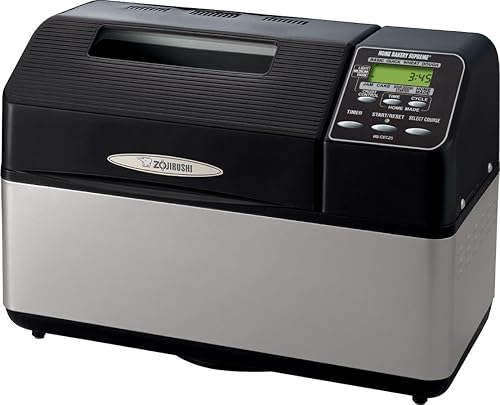
Zojirushi Supreme vs Virtuoso: which fits your weekly baking?
The Virtuoso Plus fits a bread-focused routine, especially one built around whole wheat or dietary recipes. The Supreme fits a mixed routine that includes bread, dough and other kitchen projects.
Think about your next 10 batches rather than every recipe you might someday try. A setting you use each weekend matters more than several options you rarely select.
The Supreme has 10 programs, compared with 7 for the Virtuoso Plus. Those totals are less useful than the named courses: count the recipes you need, then match them to the machine.
Zojirushi Supreme vs Virtuoso for regular sandwich bread
Either machine suits a household that wants a full-size rectangular loaf. For plain sandwich bread, let counter space and your secondary recipes guide the choice.
A couple who eats bread slowly should also plan how to handle leftovers. Slicing and freezing part of a cooled loaf can make a larger batch practical without leaving bread on the counter for days.
Skip both if your priority is a machine centered on small batches. Our guide to bread machines for small loaves is a better starting point for that need.
Which machine should you choose for whole wheat or dietary recipes?
Choose the Virtuoso Plus for its whole wheat, multigrain and dietary courses. It includes gluten free, salt free, sugar free and vegan options, along with rapid whole wheat.
Its rapid white and whole wheat courses take 2 hours and 25 minutes. That helps if you need a predictable machine cycle after work, though you'll still need cooling time before slicing.
The Supreme has a quick-bake mode, but don't use the Virtuoso Plus's stated duration as the Supreme's schedule. Plan around the instructions for the exact course and recipe you're using.
Whole wheat flour absorbs water differently from white flour, so start with a recipe written for the chosen course. Replacing all the white flour in a basic recipe can change dough texture and rise.
Our guide to bread machine flour explains how flour choice affects the loaf. Keep the flour and recipe consistent while you learn the machine.
A dietary button controls a cycle, not the ingredients in your kitchen. Vegan bread still needs vegan ingredients, and a gluten-free loaf needs an appropriate recipe and careful handling.
For households avoiding gluten, cleaning and ingredient storage matter alongside the recipe. Read our guide to gluten-free bread in a bread machine before switching between wheat and gluten-free batches.
When is the Supreme the more useful choice?
Choose the Supreme if dough, cake, jam or sourdough starter will be regular projects. It also makes meatloaf, giving it uses beyond a loaf for toast or sandwiches.
Its dough setting suits bakers who want the machine to handle part of the work before shaping by hand. That can fit a routine built around rolls or other bread baked separately in the oven.
Remember that dough preparation doesn't remove the work that follows. Set aside time and counter space for shaping, any further rise and baking according to your recipe.
The cake and jam settings are useful when you already make those foods. Buying around an unfamiliar feature only helps if you're willing to learn its recipe limits and cleanup steps.
What does the Supreme's sourdough starter setting do?
A starter setting handles a different stage from baking a finished sourdough loaf. Choose it for starter-related work, then follow a recipe that explains the remaining fermentation and baking steps.
Sourdough depends on starter activity and room conditions, so a clock alone can't tell you when every dough is ready. Learn the signs your recipe describes rather than assuming all batches will rise on one schedule.
Our guide to bread machine sourdough explains where a machine helps and where the baker still needs to make decisions.
How much should kneading blades and heaters influence your choice?
The Virtuoso Plus's double blades and dual heaters are reasons to favor its bread-making design. Zojirushi says the blades thoroughly knead dough and the bottom and lid heaters promote even baking and browning.
Give those features more weight if baking bread is the main job you want the appliance to do. Give the Supreme's other settings more weight if you expect to use it for several different kitchen tasks.
Both machines let you adjust crust shade. Start with the shade suggested for the recipe, then change it on a later batch if you prefer a lighter or darker crust.
Crust color and crumb texture are separate decisions. A darker crust setting won't correct too much flour, weak yeast or a recipe loaded in the wrong proportions.
Avoid choosing solely by the number of blades or programs. The better machine is the one whose features support the food you'll actually make.
Which machine fits your counter and storage space?
The Supreme is the easier fit when space and lifting weight matter. It measures 8.5 inches deep, 16.87 inches wide and 12.25 inches high, and weighs 19.5 pounds.
The Virtuoso Plus measures 10.5 inches deep, 18 inches wide and 12.87 inches high. At 24 pounds, it asks for more room and more effort when moved.
Measure the planned spot with the lid open in mind. You need room to lift the pan out, reach the controls and handle a hot loaf without working against an overhead cabinet.
Use a stable, level surface with ventilation clearance as directed in the manual. Don't choose a spot solely because the closed machine fits there.
If you plan to store it after every batch, consider the full path from cupboard to counter. A low shelf may be easier to reach than a high cabinet, but frequent lifting can still discourage regular use.
Both models have easy-to-read LCD controls. The Virtuoso Plus also has a course key on the lid, which helps when matching a recipe to the correct selection.
Our bread machine buying guide covers the wider checklist, including loaf needs, placement and controls.
How should you set up the machine for your first loaf?
Start with one basic recipe from the machine's own instructions. That gives you a clear ingredient list and course choice before you begin changing flour, sweeteners or batch size.
Read the setup steps, clean the removable parts as directed and dry them before assembly. Seat the kneading blade or blades and pan correctly so the machine is ready before you add ingredients.
Measure carefully, especially flour and yeast. Scooping flour straight from a packed bag can put more flour into a cup than the recipe expects; use the measurement method the recipe specifies.
Load ingredients in the order required by the machine's instructions. Our guide to bread machine ingredient order explains why keeping yeast and liquid apart can matter, especially for delayed starts.
Check the course and crust selection before pressing start. A whole wheat recipe paired with a different cycle can lead you to blame the machine for a recipe-and-setting mismatch.
Choose a day when you can follow the manual's guidance for checking the dough during mixing. For a wheat dough, adjust only as the recipe directs, using small changes rather than a large pour of flour or water.
Don't judge gluten-free mixtures by the feel of wheat dough. Their texture can be quite different, so use the recipe's description as your guide.
Record the recipe, course and any small adjustment after the loaf cools. Changing one thing at a time makes the next batch easier to improve.
Can the timer and rapid courses fit a busy day?
Use rapid courses for a shorter machine cycle and the delay timer for a later finish. They solve different scheduling problems.
Both Zojirushi machines have a 13-hour timer. A delay can help arrange breakfast or an evening loaf, provided the recipe is suitable for ingredients sitting before the cycle begins.
Don't delay recipes with perishable ingredients that shouldn't remain at room temperature for hours. Follow the manual's timer rules rather than assuming every recipe is suitable.
For the Virtuoso Plus's rapid courses, use recipes intended for that schedule. A shorter rise period calls for the right ingredient balance; selecting rapid on any recipe isn't a reliable shortcut.
Allow time after baking for safe removal and cooling. Bread can be baked through yet still slice poorly while the crumb is hot and soft.
If your schedule requires bread ready for sandwiches at a precise time, work backward from slicing time. The machine's finish is one step in that plan.
How do you care for the pan and avoid common mistakes?
Hand-wash the removable parts as directed and protect the pan's nonstick surface. Both Zojirushi models have hand-wash care instructions, so include cleanup in your buying decision.
Unplug the machine and let it cool before cleaning. Remove loose crumbs and clean the pan and blades according to the manual, keeping the electrical body out of water.
Use nonabrasive tools on the coating, and avoid prying out a stuck loaf or blade with a metal knife. For dried dough around a blade, use the soaking method permitted in the instructions.
Dry the parts before storing or reassembling them. Check that blades turn and seat as intended before the next batch rather than forcing parts into place.
The most useful habits prevent repeat problems:
- Stay within recipe capacity. Don't scale up a dough just because extra ingredients fit inside the unbaked pan.
- Make small adjustments. Adding a large amount of flour to sticky wheat dough can leave a dense loaf.
- Check yeast freshness. Store it as directed, and measure the amount your recipe calls for.
- Follow the cycle's lid guidance. Repeated opening during rising or baking lets heat escape.
- Cool before slicing. Use a rack so steam can leave the loaf instead of collecting underneath.
- Confirm the blade's location. Check the loaf before cutting so you don't slice against a blade left inside.
If several batches fail in the same way, return to the original recipe and measurements. That gives you a clearer starting point than changing the course, flour and yeast together.
Should you choose the Breville Custom Loaf instead?
Consider the Breville Custom Loaf BBM800XL if loaf-size flexibility, stored recipes or automatic mix-ins lead your wish list. Those needs can make it a better fit than either Zojirushi.
The Breville offers 1- to 2.5-pound loaf sizes, 13 automatic programs and 9 custom settings for personal recipes. That suits bakers who want to repeat their own formulas or vary batch size.
Its automatic fruit and nut dispenser adds mix-ins during the cycle. This is useful if you regularly make those breads and don't want to arrange your routine around adding the ingredients yourself.
The collapsible kneading paddle folds before baking, and a separate fixed paddle is used for jam. Treat those as parts with different jobs, and check which one is fitted before starting.
At 13.3 inches high, the Breville is taller than both Zojirushi models. Check lid clearance before choosing it for a space beneath cabinets.
Skip it if you mainly want to follow a few standard recipes and won't use the custom settings or dispenser. Extra controls are most valuable when they solve a task you already care about.
Zojirushi Supreme vs Virtuoso: which should you buy?
Choose the Virtuoso Plus for a bread-first routine centered on whole wheat or dietary courses. Choose the Supreme for dough, cake, jam and starter work, especially when counter space is tight.
Before ordering, write down your 3 most likely recipes and measure the machine's working space. If one model clearly matches both, that is a stronger reason to buy than a longer feature list.
Skip both if their loaf capacity doesn't match how much bread you use or if moving the appliance would keep it in storage. Choose the Breville when adjustable batch sizes and recipe controls address those needs.
For Zojirushi Supreme vs Virtuoso shoppers still comparing other formats, our best bread makers guide is the next useful step.
Sources
- Zojirushi Virtuoso Plus: See it on Amazon
- Zojirushi Home Bakery Supreme: See it on Amazon
- Breville Custom Loaf BBM800XL: See it on Amazon
Frequently asked questions
What is the difference between the Zojirushi Supreme and Virtuoso?
The Virtuoso Plus suits whole wheat and dietary baking, while the Supreme suits a broader mix of kitchen tasks. The Virtuoso Plus has double kneading blades and dual heaters; the Supreme includes cake, jam, dough and sourdough starter settings.
Both make rectangular 2-pound loaves.
Does the Virtuoso Plus make whole wheat bread faster?
The Virtuoso Plus has a rapid whole wheat course that takes 2 hours and 25 minutes. Use that time to plan the machine cycle, then allow time for cooling before slicing.
The Supreme has a quick-bake mode, but a matching whole wheat cycle time isn't established here.
Which Zojirushi bread maker has more programs?
The Home Bakery Supreme has 10 programs, compared with 7 for the Virtuoso Plus. Choose by the recipes you'll make rather than the total count.
Cake, jam and starter settings favor the Supreme, while rapid whole wheat and dietary courses are reasons to choose the Virtuoso Plus.
Are the Zojirushi Supreme and Virtuoso the same loaf size?
Yes, both Zojirushi machines have a 2-pound capacity and make rectangular loaves. That suits households that finish a full loaf or freeze part of each batch.
If you need more size flexibility, the Breville Custom Loaf offers loaf sizes ranging from 1 to 2.5 pounds.
Can you leave ingredients in either machine overnight?
Use the delay timer only with recipes approved for delayed baking in the machine's manual. Both Zojirushi models have a 13-hour timer, but recipes containing perishable ingredients shouldn't sit at room temperature for hours.
Keep yeast separate from liquids as directed, and load ingredients in the required order.


